

Public experience
Page structure, service information, mobile layouts, forms, and a clear route through the site.
A business website should help people understand what you offer and take a useful next step. Based in Clearwater and serving Tampa Bay and businesses across the US, WebOrbit connects that public experience to the way your business works.
A service business may need more qualified inquiries. A professional team may need visitors to find the right service before making contact. A community organization may need a clearer way to publish information. Those are different website projects, even when their page counts look similar.
We start with the audience, the information they need, and the action that matters. That helps separate essential pages and features from additions that can wait.
A website build can include more than a visual refresh. The useful scope depends on what customers need and what your team must do when an inquiry arrives.
Page structure, service information, mobile layouts, forms, and a clear route through the site.
Booking, payment, customer accounts, or existing tools when the project needs them.
An agreed content plan and editing approach, with clear responsibility for copy, images, and approvals.
Domain and hosting coordination, page checks, form testing, and the agreed handover.
A public business website explains the offer and helps someone make contact. A web application or client portal gives people a place to return to a task: submitting a request, reviewing a status, exchanging documents, or managing work with the team.
A portal can be useful when customers and staff repeatedly need the same information or workflow. It also brings decisions about access, data, and ongoing support. We define those decisions alongside the screens so the build fits the way the business operates.
Define who can sign in and what a customer, staff member, or administrator can see and change.
Map how a request moves through the team, which statuses matter, and what information the customer should receive.
Agree on the information that can be submitted, who can access it, and the handling needed for the workflow.
Separate public content from private account information, and clarify administration, retention, and support responsibilities.
Agree on what each user needs to do before adding a larger workspace. A clear public site and inquiry path can be a useful first release when they solve the business need.
Two proposals for the same number of pages can cover very different work. Ask to see how the customer journey, content responsibilities, and handover are described before comparing the total.
| Part of the project | What the proposal should make clear |
|---|---|
| Content and design | Which pages are included, who supplies or writes the content, and how the direction and revisions are approved. |
| Inquiries and connections | What each form or booking action sends, who receives it, and which provider accounts or fees are needed. |
| Editing and access | What the owner can update, which accounts the business controls, and the instructions or training included. |
| Launch and care | The agreed device and workflow checks, treatment of changed URLs, and how requests are handled after launch. |
Agree on the pages, key actions, required connections, and what will count as ready.
Check the structure and visual approach before the detailed build moves too far.
Test the important paths on phones and larger screens, collect feedback, and work through agreed refinements.
Confirm account access, content responsibilities, and the support arrangements for what happens next.
Decide who will update content, handle form inquiries, renew connected services, and respond when something breaks. A site that is easy to launch but difficult to maintain can create unnecessary work later.
If you already have a website, a focused improvement may be enough. We can discuss a rebuild, an integration, or a smaller change after understanding the current experience. Scope, schedule, fees, and support belong in the project agreement.
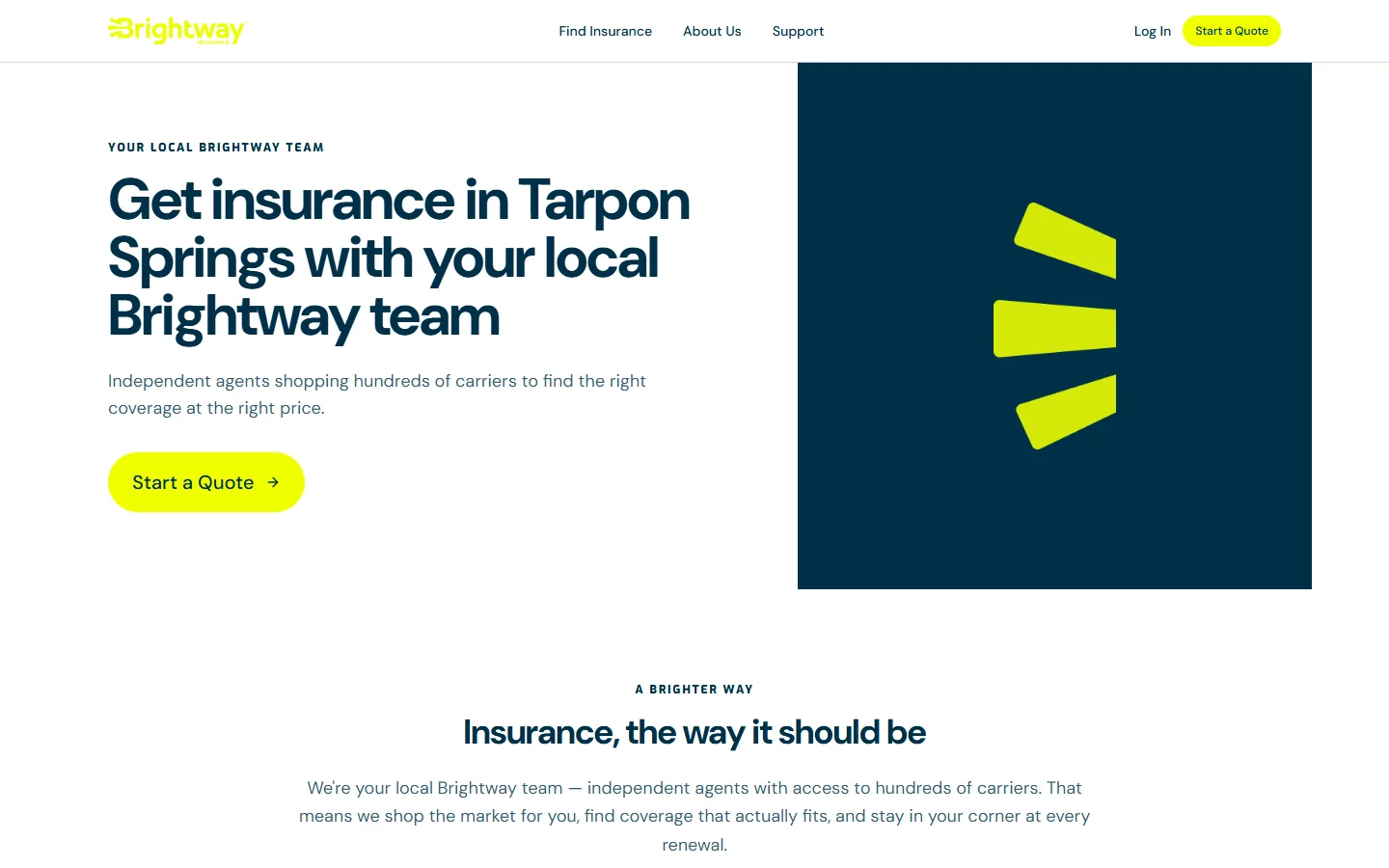
The DM Agency serves its local community as an independent insurance agency. WebOrbit built a branded website and custom operations platform that connects the customer journey with the work behind it: quote requests, appointments, customer records, policies, renewals, commission review, and team reporting. The result is one connected workspace shaped around how the agency works.
Read the client story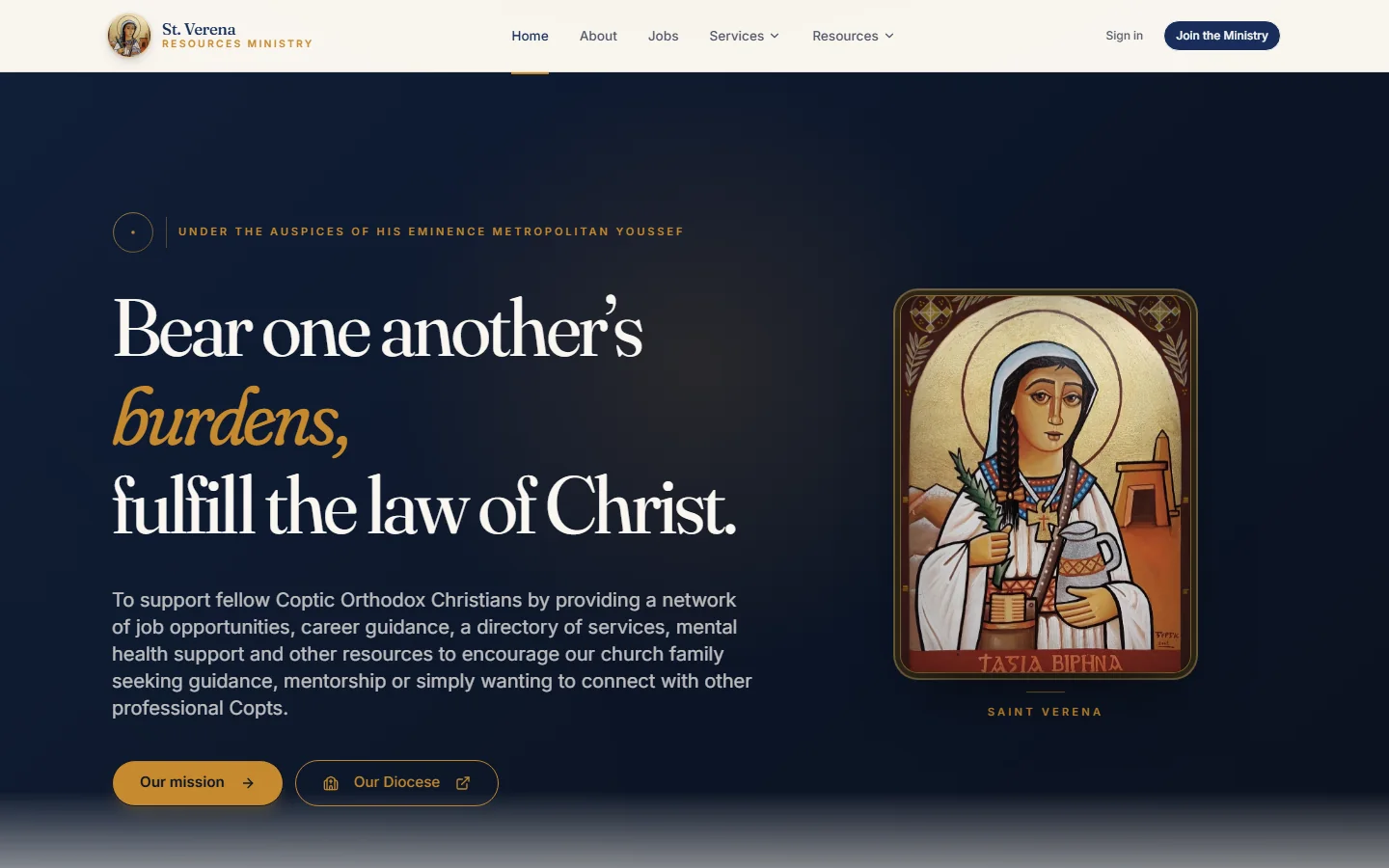
A searchable directory that makes services, jobs, and learning resources easier to discover.
Read the public summary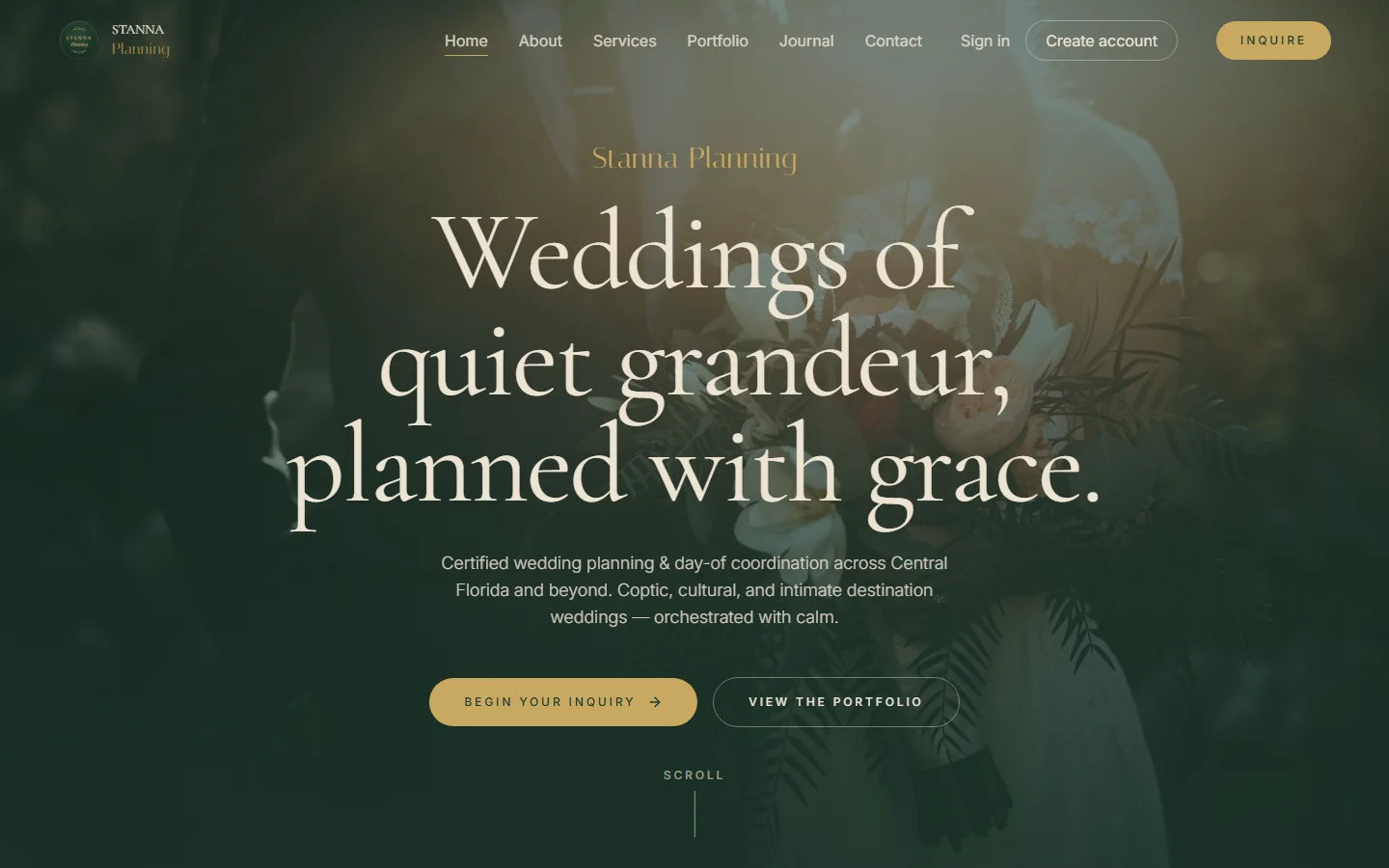
Stanna Planning, led by Ledia Ayad, helps couples plan thoughtful celebrations throughout Central Florida and beyond. WebOrbit built a custom website and planning platform that brings her business and client experience together. Couples can discover her services, begin their inquiry, and collaborate on their wedding, while Ledia manages the details through a dedicated owner workspace.
Read the client storyYes. We can discuss an existing site, the part that needs attention, and the access available. A focused change, integration, or content improvement may be more appropriate than rebuilding everything.
No. Start with your business, your audience, and what people should be able to do. Existing pages, examples, and a rough content list help us shape a practical scope.
Those connections can be part of the project. We first clarify the required workflow, available accounts, provider limitations, and ongoing costs, then include the agreed connections in the scope.
Start with the business problem. We can discuss the right scope together.